Now Playing · The Flagship Work
LP · 01
Parts That Remember
Audiobook · LP·01 · The Flagship
Parts That Remember
A drama in five episodes and an epilogue, set across a small terraced house — and one locked basement door.
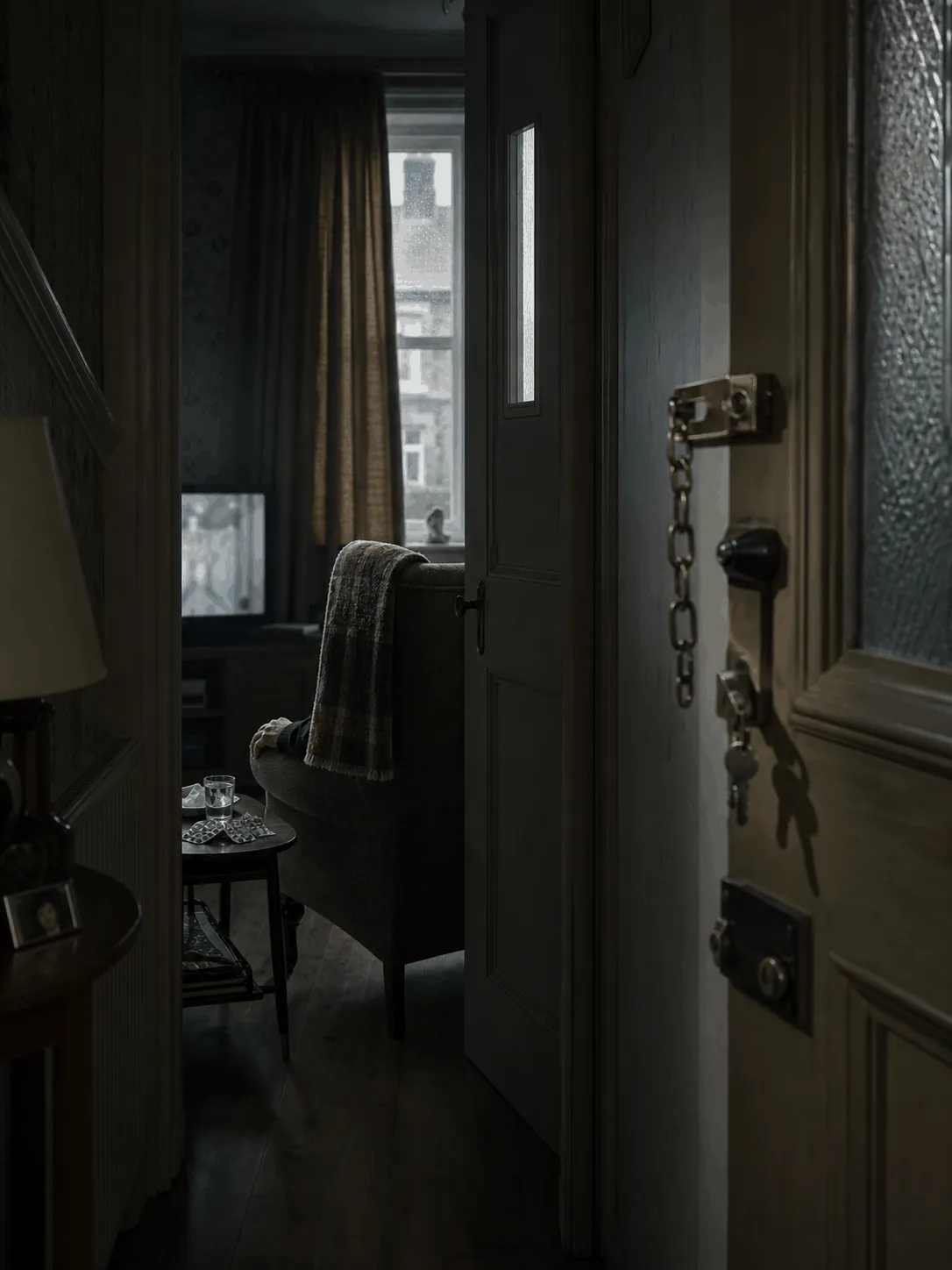
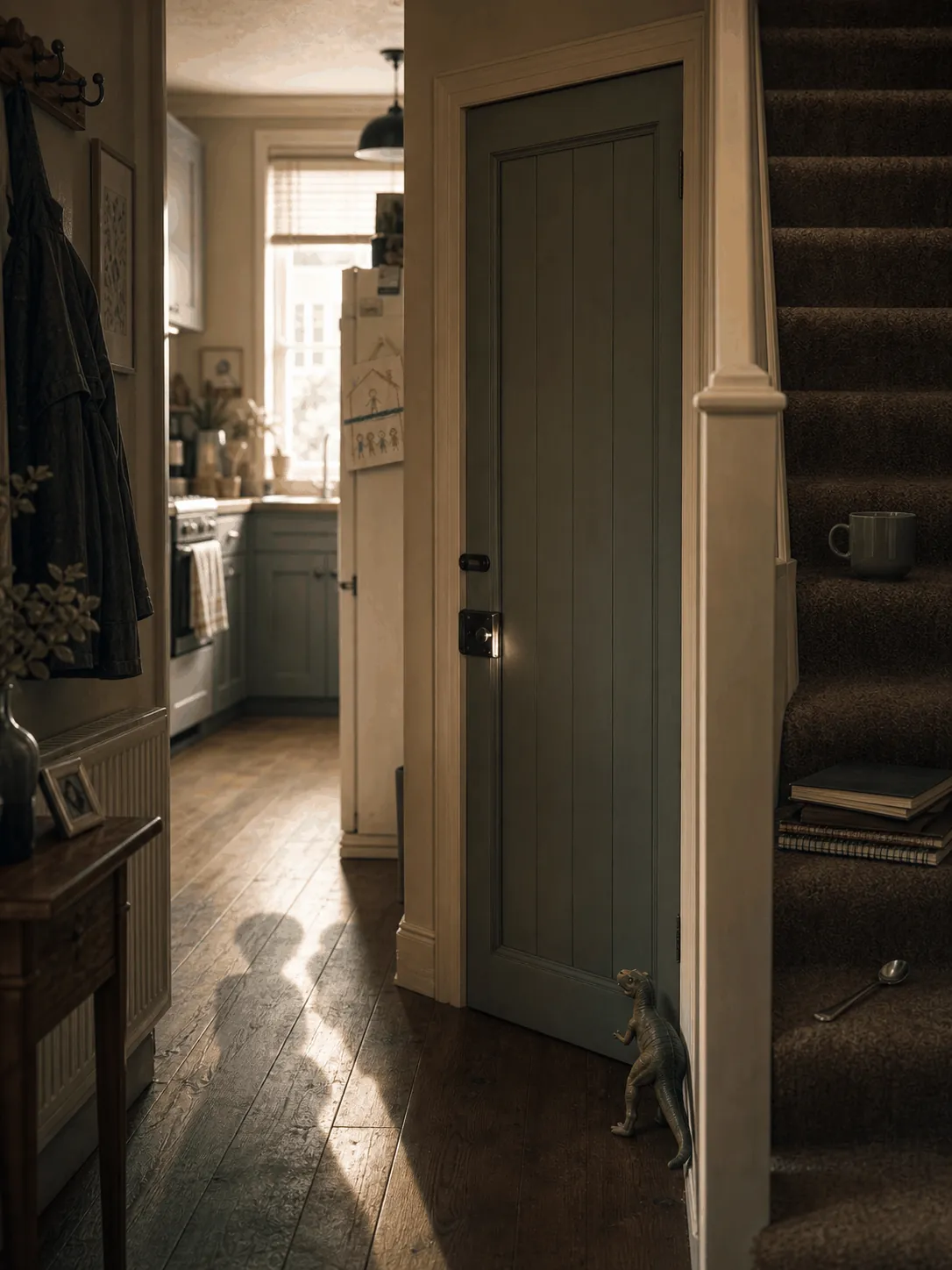
Elise Hart, a social worker, is asked to visit a quiet street the neighbours have begun to listen to at night. Number 12 is tidy in the wrong way — a spoon on the bottom stair, a plastic dinosaur turned to the wall — and Marcus, who lives there alone, will not say what he hears through the basement door.
Across five episodes the case opens outwards: a thinner-than-it-should-be file from 2006, a Mental Health Act assessment held back as a safety net, and a clinical psychologist who does not flinch. The play is about parts of a person that live in rooms others never enter — and what it means, in law, to knock anyway.
- Written
- Neil Allen
- Narrated by
- Neil Allen
- Principal cast
- Elise Hart · Marcus · Sophie · Dr Kay Howard · Jay · The Little One
- Themes
- Capacity · dissociation · safeguarding · the Mental Health Act
- Form
- 5 episodes + epilogue · 26 min total
- Content note
- References to childhood neglect and confinement
Listen on Spotify
— or pick an episode below
Episodes
- 01 The Visit A social worker arrives. The neighbours have been listening. The man at Number 12 lives alone — or says he does. 4 min
- 02 Not Alone Elise returns with a community mental health nurse. The basement door has not moved. Something behind it has. 5 min
- 03 Fragments A safeguarding meeting. A GP call. A history he never finished telling. 5 min
- 04 The Door They bring a psychologist. They do not open the door. He does. 6 min
- 05 Parts That Remember Six months later, in a different garden, a different version of the same conversation. 4 min
- EP Echoes — Epilogue Another house. Another case. Another knock on the door. 2 min